The Economics of the 30-Day Stay
A comparative study on fiscal efficiency in Canada’s Financial Capital.
As we enter 2026, the Toronto hospitality sector is facing a “perfect storm” of demand. With a 5.8% projected rise in luxury hotel rates, corporate procurement teams are under intense pressure to justify spend. The question is no longer just about comfort; it is about fiscal responsibility.
The 2026 Comparison
| Category | Luxury Hotel | Corporate Housing |
|---|---|---|
| Nightly Rate | $450 – $600 CAD | $120 – $180 CAD |
| HST (Sales Tax) | 13% Mandatory | 0% (30+ Day Exempt) |
| Daily Dining | $120 (Room Service) | $40 (In-Suite Kitchen) |
| Laundry/Valet | $15 – $30 per item | $0 (In-Suite Unit) |
The “Hidden” 13% Advantage
Perhaps the most overlooked financial lever in Toronto corporate housing is the Ontario Harmonized Sales Tax (HST) structure. For stays under 30 days, guests are billed as “transient,” incurring a 13% tax. However, once a lease crosses the 30-day threshold, it is classified as a residential lease, which is GST/HST exempt. This single tax benefit can save a corporation over $1,500.
ON 30+ DAYS
Executive Case Study
“A senior VP relocating for a 45-day project in the Financial District recently saved $6,400 by opting for a furnished condominium over a traditional luxury hotel suite. These savings were realized through tax exemptions and eliminated dining surcharges.”
Space as a Productivity Multiplier
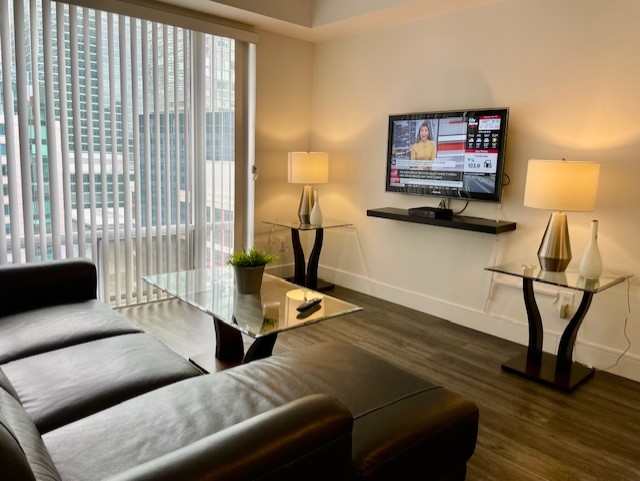
Beyond hard numbers, there is the “Soft ROI” of space. A standard hotel room averages 325 sq. ft., while our suites average 750 to 1,200 sq. ft. This breathing room allows for a dedicated workspace, separate from sleeping quarters—a critical factor in preventing “Executive Burnout” during long-term assignments.
Refined Housing Solutions
Ready to optimize your corporate travel budget for 2026?
Request an Efficiency Quote


